Nex Transceivers vs. Fiber Pigtails: A Comprehensive Guide
In the realm of optical communication, ensuring efficient and reliable data transmission is paramount. Two critical components that often come into the discussion are Nex transceivers and fiber pigtails. Both play essential roles in network connectivity, but they serve different purposes and have unique advantages. In this comprehensive guide, we'll delve into the intricacies of Nex transceivers and fiber pigtails, comparing their functionalities, benefits, and applications to help you make an informed decision for your networking needs.
Understanding Nex Transceivers
The nex transceivers are compact, hot-swappable devices that convert electrical signals into optical signals and vice versa. These transceivers are crucial in facilitating high-speed data transmission over fiber optic cables. They come in various form factors, such as SFP (Small Form-factor Pluggable), SFP+, QSFP (Quad Small Form-factor Pluggable), and others, each catering to different network requirements.
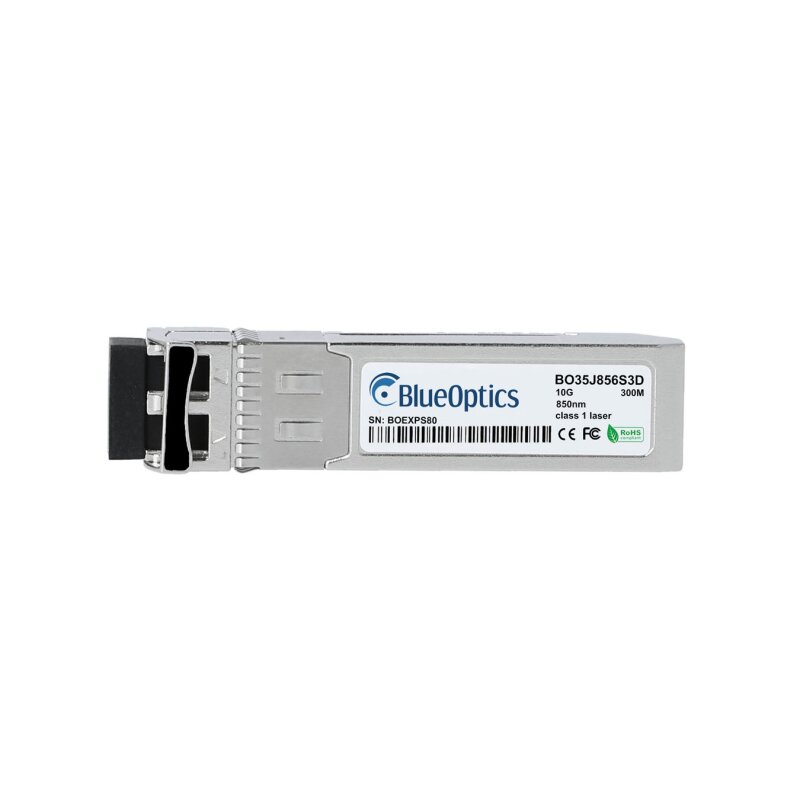
Advantages of Nex Transceivers
1. Flexibility and Scalability: Nex transceivers offer remarkable flexibility, allowing network administrators to upgrade or modify the network infrastructure without replacing the entire system. This scalability is particularly beneficial in dynamic environments where network demands frequently change.
2. High Data Rates: These transceivers support high data rates, often exceeding 10 Gbps, making them ideal for bandwidth-intensive applications such as data centers, enterprise networks, and telecommunications.
3. Long-Distance Transmission: Nex transceivers can transmit data over long distances, sometimes reaching up to 100 kilometers or more, depending on the specific model and the quality of the fiber optic cable.
4. Hot-Swappable: The hot-swappable nature of Nex transceivers ensures minimal downtime during maintenance or upgrades, as they can be replaced without powering down the network equipment.
5. Wide Compatibility: Nex transceivers are designed to be compatible with a variety of networking equipment from different manufacturers, providing versatility in deployment.
Understanding Fiber Pigtails
Fiber pigtails are short, single-ended lengths of optical fiber that are used to connect fiber optic cables to other network devices. They come with a pre-installed connector on one end, while the other end is left bare for splicing. Fiber pigtails are commonly used in fiber optic termination, where they are spliced onto the end of a fiber optic cable to provide a reliable connection point.
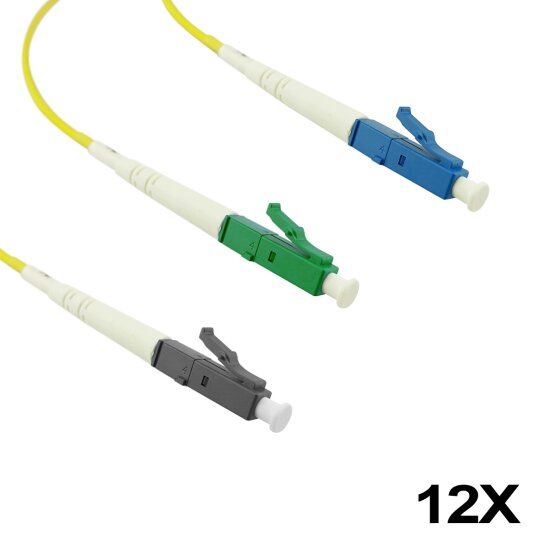
Advantages of Fiber Pigtails
1. Cost-Effective: Fiber pigtails are relatively inexpensive compared to other network components, making them a cost-effective solution for establishing fiber optic connections.
2. Ease of Installation: The pre-terminated connector on fiber pigtails simplifies the installation process, reducing the time and effort required for network setup.
3. Low Insertion Loss: High-quality fiber pigtails are designed to minimize insertion loss, ensuring efficient signal transmission with minimal degradation.
4. Variety of Connectors: Fiber pigtails are available with a wide range of connectors, such as SC, LC, ST, and MTP, providing flexibility in matching the specific requirements of different network devices.
5. Reliability: When properly spliced and installed, fiber pigtails offer a reliable and durable connection, capable of withstanding environmental factors and physical stress.
Nex Transceivers vs. Fiber Pigtails: Key Differences
While both Nex transceivers and fiber pigtails are integral to fiber optic networks, they serve distinct roles and have different attributes. Understanding these differences is crucial in determining which component is suitable for your specific needs.
Functionality
Nex transceivers are active devices that perform the critical function of converting electrical signals into optical signals and vice versa. They are essential for enabling high-speed data transmission over fiber optic networks. In contrast, fiber pigtails are passive components that provide a means of connecting fiber optic cables to network devices. They do not perform any signal conversion but serve as a reliable termination point for optical fibers.
Application
Nex transceivers are typically used in scenarios requiring high data rates and long-distance transmission, such as data centers, enterprise networks, and telecommunications. They are essential for applications where signal integrity and transmission distance are critical factors. Fiber pigtails, on the other hand, are commonly used in fiber optic termination and splicing applications. They are ideal for establishing connections between optical fibers and network devices in various environments, including telecommunications, FTTH (Fiber to the Home) installations, and industrial networks.
Cost
The cost of Nex transceivers is generally higher than that of fiber pigtails due to their complex functionality and advanced technology. However, the investment in Nex transceivers is justified by their ability to support high-speed data transmission and long-distance connectivity. Fiber pigtails, being simpler passive components, are more affordable and provide a cost-effective solution for establishing fiber optic connections.
Installation and Maintenance
Nex transceivers are designed for ease of installation and maintenance, with their hot-swappable feature allowing for quick replacement without disrupting network operations. Fiber pigtails, while also relatively easy to install, require careful splicing to ensure a reliable connection. Proper splicing techniques are crucial to minimize insertion loss and maintain signal integrity.
Conclusion
In conclusion, both Nex transceivers and fiber pigtails are essential components in fiber optic networks, each serving unique purposes and offering distinct advantages. Nex transceivers are ideal for high-speed, long-distance data transmission, providing flexibility, scalability, and wide compatibility. Fiber pigtails, on the other hand, offer a cost-effective solution for fiber optic termination, ensuring reliable connections with minimal insertion loss.
When deciding between Nex transceivers and fiber pigtails, it's important to consider your specific network requirements, including data rates, transmission distance, budget, and installation preferences. By understanding the functionalities and benefits of each component, you can make an informed decision that optimizes your network performance and meets your connectivity needs.
Whether you're setting up a new network or upgrading an existing one, both Nex transceivers and fiber pigtails play crucial roles in ensuring efficient and reliable optical communication.
.jpg)


Comments
Post a Comment