Gbic Connectors : The Ultimate Guide

Introduction
Welcome to the world of networking and data transmission, where Gbic connectors hold immense importance. These compact yet powerful devices have transformed the way we connect and transmit data across networks. In this article, we will take a closer look at Gbic connectors, their types, applications, benefits, and more.
What exactly is a Gbic Connector?
Gbic is short for Gigabit Interface Converter. It is a hot-swappable input/output device that fits into a Gbic port or slot on networking devices. It allows for seamless connectivity between different types of networks and permits the flexibility to upgrade or change network interfaces without replacing entire hardware modules.
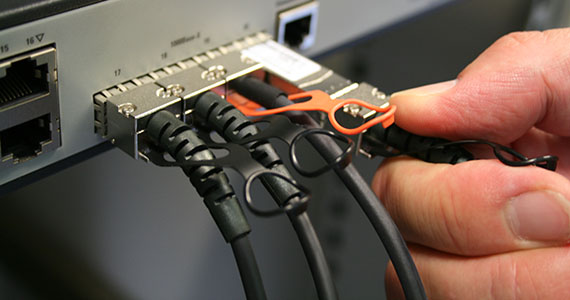
How do Gbic Connectors function?
Gbic connectors use fiber optic or copper cables to transmit data between networking devices. They convert electrical signals to optical signals and vice versa, making data transmission at Gigabit speeds possible. Gbic connectors are highly convenient for network administrators because of their hot-swappable nature.
What are the different types of Gbic Connectors?
Gbic connectors come in three types: single-mode, multi-mode, and copper. Single-mode Gbic connectors are suitable for long-distance data transmission, while multi-mode Gbic connectors are ideal for short distances. Copper Gbic connectors are commonly used in local area networks (LANs) for short-range connections.

What are the advantages and applications of Gbic Connectors?
Gbic connectors offer several benefits, including flexibility, scalability, and cost-effectiveness. They are widely used in data centers, telecommunication networks, and enterprise setups to ensure reliable and fast data transfer.
How are Gbic Connectors installed and maintained?
Installing a Gbic connector is a straightforward process. Power off the device, align the connector properly, and gently slide it into the Gbic port until it clicks into place. Regular maintenance and cleaning are necessary to keep Gbic connectors in perfect condition.

How do Gbic Connectors compare to other connectors?
Gbic connectors and SFP connectors provide similar functionality, but SFP connectors are more compact and suitable for higher data rates. XFP connectors offer higher data rates than Gbic connectors, making them ideal for applications requiring faster transmission speeds.
What does the future hold for Gbic Connectors?
As technology continues to evolve, we can expect Gbic connectors to become even more efficient and capable of handling higher data rates, making them an integral part of future networking solutions.
.jpg)
Conclusion
Gbic connectors have revolutionized the networking industry with their versatility, scalability, and high-speed data transmission capabilities. Whether it's in data centers, telecommunication networks, or enterprise setups, Gbic connectors play a vital role in ensuring seamless and reliable connectivity.
.jpg)


Comments
Post a Comment